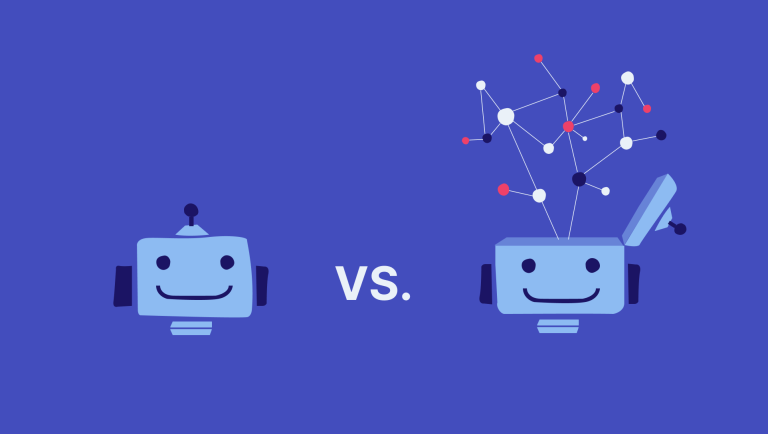

Federated AI Governance: Balancing Innovation, Autonomy, and Enterprise Control As artificial intelligence adoption accelerates, organizations are moving away from centralized data and analytics models toward more distributed approaches. Business units are increasingly developing their own AI solutions tailored to specific operational needs. Marketing teams use predictive analytics for customer engagement, supply chain departments deploy forecasting […]

AI Risk Management Frameworks: Building Resilient and Compliant Intelligent Systems Artificial intelligence is no longer confined to experimentation labs or innovation hubs. It is embedded in mission-critical systems that influence credit decisions, fraud detection, predictive maintenance, workforce planning, healthcare diagnostics, and customer engagement. As AI becomes operational infrastructure, its associated risks become enterprise risks. […]

Monetizing Trusted Data Products: Creating Sustainable Competitive Advantage For years, data initiatives were viewed primarily as cost centers. Investments focused on storage, compliance, and reporting. Today, enterprises increasingly recognize that trusted data products can generate direct and indirect revenue streams. In competitive DACH markets—where industrial precision, financial stability, and innovation intersect—data monetization is becoming a […]

Data Mesh and Domain Ownership: A Scalable Model for Trusted Data Products Traditional centralized data architectures often struggle to scale in complex enterprises. As organizations expand across regions and business units, bottlenecks emerge. Data teams become overwhelmed, and delivery timelines slow. To address these challenges, many enterprises in Germany, Austria, and Switzerland are exploring decentralized […]

AI and Trusted Data Products: Building Explainable and Responsible Systems Artificial Intelligence is rapidly reshaping industries across Germany, Austria, and Switzerland. From predictive maintenance in manufacturing to fraud detection in financial services and precision diagnostics in healthcare, AI-driven systems are becoming central to enterprise operations. Yet AI is only as reliable as the data that […]

Data Governance 2.0: The Foundation of Trusted Data Products Governance has often been perceived as restrictive—a framework of policies designed to prevent misuse and minimize risk. However, as organizations across Germany, Austria, and Switzerland accelerate digital transformation, governance must evolve. Instead of limiting innovation, it must enable it. Data Governance 2.0 is the next stage […]

The Rise of Trusted Data Products: Redefining Enterprise Value in the DACH Region Across Germany, Austria, and Switzerland, organizations are undergoing a fundamental shift in how they perceive and utilize data. What was once treated as a byproduct of business operations is now recognized as a core strategic asset. However, simply collecting and storing vast […]

Protecting Corporate Data from Email-Based Ransomware In today’s increasingly connected world, email remains one of the most common entry points for cyberattacks. Among the most damaging of these attacks is email-based ransomware, which can cripple organizations by locking critical data behind encryption, demanding large ransoms in exchange for its release. As cybercriminals continue to refine […]

Zero Trust Email Security: Moving Beyond Traditional Defenses In an age where cyberattacks are becoming increasingly sophisticated, traditional email security measures are no longer sufficient to protect businesses from evolving threats. The rise of Business Email Compromise (BEC), phishing, and ransomware has prompted organizations to reassess their security strategies. One such strategy gaining traction is […]

Detecting and Preventing CEO Fraud Through Smart Email Security CEO fraud, a sophisticated form of Business Email Compromise (BEC), continues to be a major threat to organizations of all sizes. This form of fraud involves attackers impersonating high-level executives, often the CEO, to manipulate employees into making financial transfers or divulging sensitive information. With the […]