
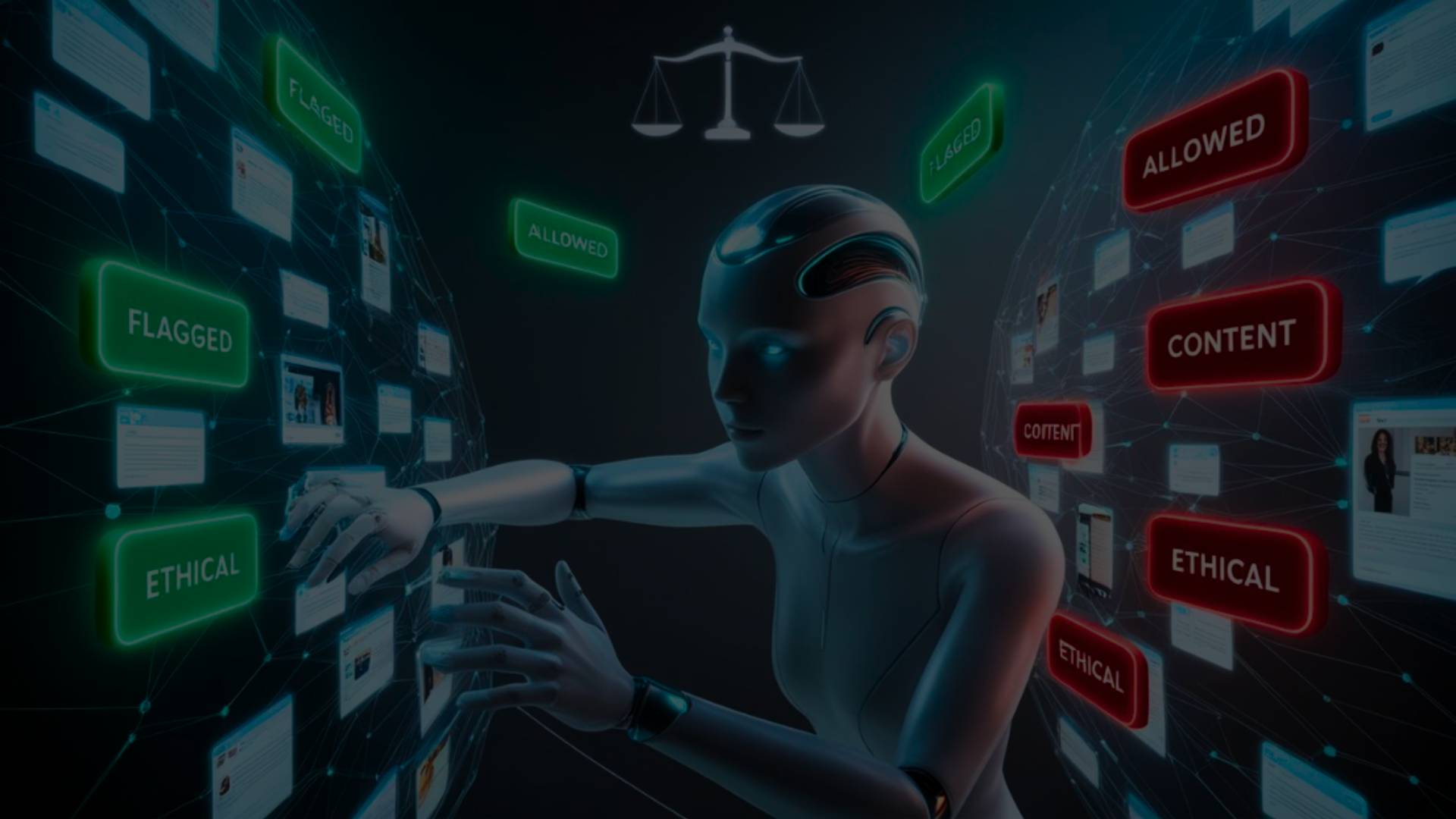
AI Moderation & Ethics: Managing Remote Workplaces in the Age of Machine Oversight
The rapid adoption of AI in remote work environments has transformed how organizations operate, manage teams, and ensure compliance. From real-time productivity tracking to sentiment analysis and content moderation, AI has become both a powerful tool and a subject of ethical scrutiny. In the age of machine oversight, the question isn’t just whether AI can manage remote work—but whether it should, and how.
Remote-first enterprises and global SaaS companies are increasingly leveraging AI-driven tools to monitor workplace communication, enhance collaboration, and enforce digital work policies. While these technologies offer scalability and efficiency, they also demand a thoughtful approach to ethics, transparency, and employee privacy.
AI as a Digital Moderator: Power and Responsibility
AI moderation tools are now commonly embedded in collaboration platforms such as Microsoft Teams, Slack, and Zoom. These tools use natural language processing (NLP) and machine learning algorithms to flag inappropriate content, detect harassment, and even evaluate employee sentiment in real-time.
For example, Microsoft’s Viva Insights, part of its broader Employee Experience Platform (EXP), offers AI-powered behavioral analytics that monitor work patterns, suggest wellness breaks, and help managers identify signs of burnout. While helpful, these systems also raise concerns about surveillance and data transparency.
Similarly, Zoom’s AI Companion provides real-time meeting summaries, identifies action items, and assesses participation—all while capturing sensitive behavioral data. If not ethically implemented, such features can blur the lines between insight and intrusion.
Case Study: GitHub and AI Code Moderation
GitHub Copilot, developed in partnership with OpenAI, has shown how AI can assist remote teams in coding environments by suggesting lines of code and reducing friction in collaborative development. However, GitHub has also had to address ethical concerns, particularly around code ownership and bias in AI-generated suggestions.
The platform’s response—improving transparency, offering opt-out options, and publishing documentation on how AI suggestions are generated—serves as a blueprint for ethical machine oversight in remote workflows.
Balancing Automation and Autonomy
AI chatbots and virtual assistants are becoming central to HR processes in remote teams. From resolving IT tickets to answering compliance-related queries, chatbots enhance responsiveness and reduce manual load. However, ethical challenges emerge when chatbots are used for behavioral nudges or to automate disciplinary feedback.
For example, companies using AI-driven performance tracking platforms like Time Doctor or ActivTrak must carefully manage how feedback is delivered. Ethical AI practices recommend combining data insights with human judgment, ensuring that decisions—especially disciplinary ones—are not solely machine-generated.
Compliance and Regulation: The Emerging Frontier
As AI moderation becomes more prevalent, regulations are also catching up. The EU’s AI Act and California’s data privacy laws are already shaping how companies handle employee data collected through remote monitoring tools.
Forward-thinking firms are implementing AI ethics boards and engaging third-party auditors to ensure fairness, accountability, and compliance. Transparency statements, employee consent protocols, and algorithmic bias testing are becoming part of best practices in ethical AI management.
The Way Forward: Trust, Not Just Tech
The future of remote work will depend not just on deploying smart tools, but on building systems of trust. Employees are more likely to embrace AI moderation when they are informed, empowered, and protected. The best companies are not just using AI to manage productivity—they are using it to create fairer, more responsive, and more humane digital work environments.
Ethical AI is not a destination but a dynamic process. As remote work continues to expand, the organizations that take AI oversight seriously—by designing for transparency and prioritizing worker dignity—will lead not just in performance, but in principle.